The Hormuz Gambit: How Iran Turned a Military Ultimatum into a Negotiating Victory
Trump's threat to annihilate Iran ended in a two-week ceasefire that hands Tehran a strategic edge at the negotiating table.
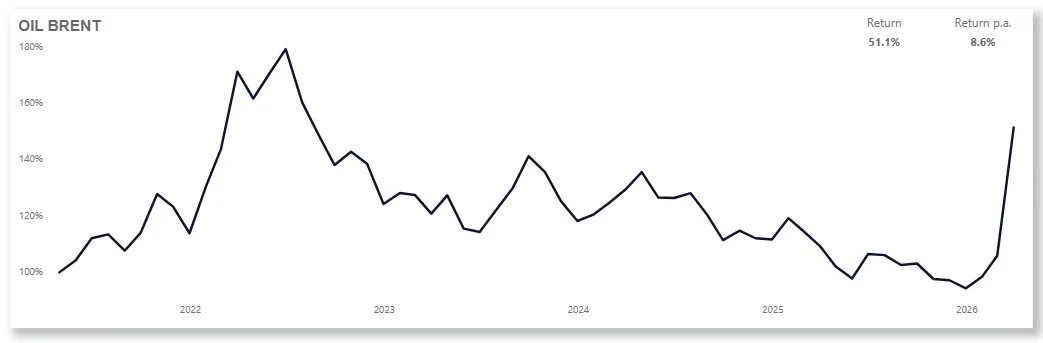
After threatening to destroy Iranian civilian infrastructure on Tuesday morning, President Trump reversed course less than two hours before his own deadline expired. He announced a two-week suspension of US airstrikes, contingent on Iran guaranteeing safe and immediate passage through the Strait of Hormuz. Tehran accepted — but on its own terms: Iranian forces would supervise transit, and the regime proposed charging $2 million per vessel, sharing fees with Oman. Pakistan brokered preliminary talks scheduled for Islamabad on Friday. Analysts view the outcome as a strategic win for Iran. Roughly half of its missile arsenal remains intact, the country retains over 400 kilograms of highly enriched uranium, and even Republican senators broke with Trump over threats to civilian targets. The gap between the US 15-point plan — requiring dismantlement of enrichment facilities — and Iran's 10-point counter-proposal — demanding full sanctions relief, US military withdrawal, and the right to enrich uranium — remains vast.
Oil Price